
Deutsche Bank Favored Russian Billionaires Over Money Laundering Warnings, Leaked Docs Reveal
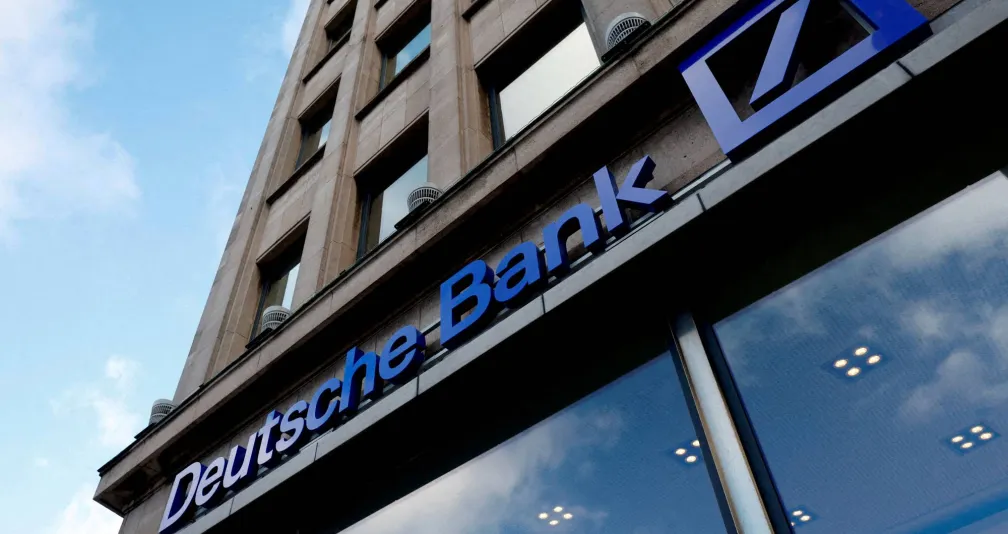
Millions of internal documents leaked from Deutsche Bank reveal years of internal conflict between risk and compliance units and business departments, which prioritized maintaining relationships with Russian billionaires despite warnings about money laundering, reputational risks, and international sanctions. The files, comprising over 15 million internal records, including emails, confidential reports, and meeting minutes, show that the bank continued dealings with high-risk Russian clients, such as oligarch Oleg Deripaska, even after compliance units flagged concerns. In 2014, the bank’s reputation risk committee classified Deripaska as a high-risk client, and the financial crimes unit recommended terminating relationships where he was a controlling party. However, revenue-focused departments continued engaging with him, citing his status as a trusted partner. Similar tensions persisted, with internal 2015 documents highlighting the importance of Russian billionaires to the bank’s wealth management division, which described them as a ‘pillar of sustainable growth.’
Despite repeated warnings, the bank did not significantly reduce its Russian operations. In 2020, internal discussions proposed expanding business in Russia, drawing objections from financial crime units. A 2021 internal review acknowledged rising risks of money laundering and sanctions but emphasized the market’s profitability. The bank also moved accounts of high-risk Russian clients to offshore centers like Switzerland and Luxembourg, raising questions about regulatory access to data. In response to the leaks, Deutsche Bank stated it applied enhanced due diligence and restricted some client groups, while noting it had reduced its Russian exposure since 2014.
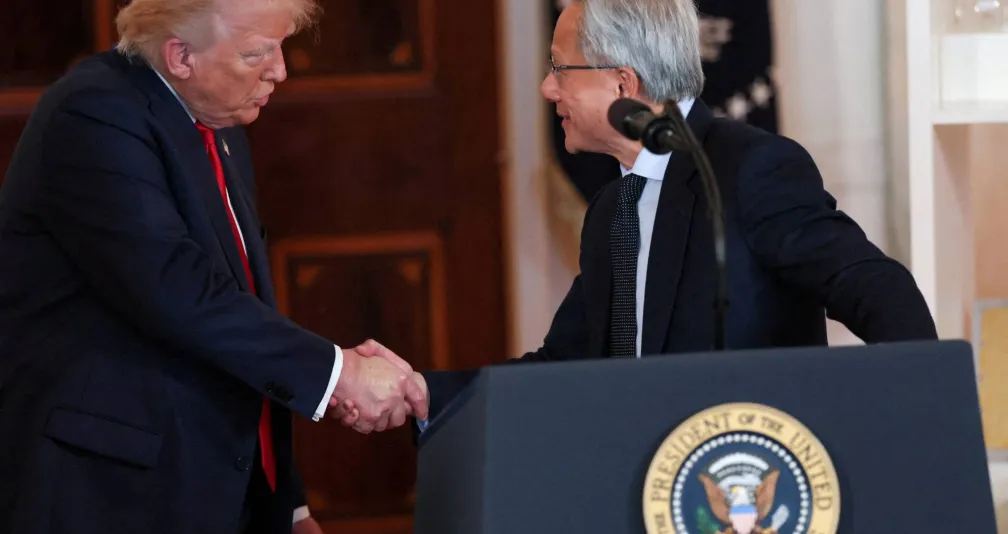
The documents also highlight connections between some Russian clients and U.S. political figures. For example, Deripaska had business ties to Paul Manafort, Trump’s 2016 campaign chairman, and Viktor Vekselberg, linked to a Trump donor, contributed to the president’s inauguration fund. However, the bank’s actions were not directly tied to Trump’s policies, and no evidence was provided of his involvement in its decisions. The leaks also revealed the bank’s handling of transactions linked to Jeffrey Epstein, including $582 million in suspicious payments, though the source does not confirm legal violations.
Following Russia’s invasion of Ukraine in 2022, U.S. authorities requested information on Russian clients, but the bank cited banking secrecy laws in Switzerland and Luxembourg to limit data sharing. Deutsche Bank defended its compliance measures, stating it had implemented strict due diligence and reduced its Russian operations after the invasion. The leaks underscore broader institutional failures in oversight, with the bank acknowledging past shortcomings in anti-money laundering systems and governance.






اترك تعليقًا